The New Indian Fashion Manifesto: When Clothes Became Stories
Your clothes don’t just reflect your preferences, how you look, which brand they’re from, or what they cost—they narrate your story. But how?
The Great Unlearning
For decades, Indian fashion spoke in borrowed tongues. The goal was simple: look like you belonged in Milan. The models were interchangeable. The studios were sterile. The message? Buy this, look expensive.
Then something shifted.
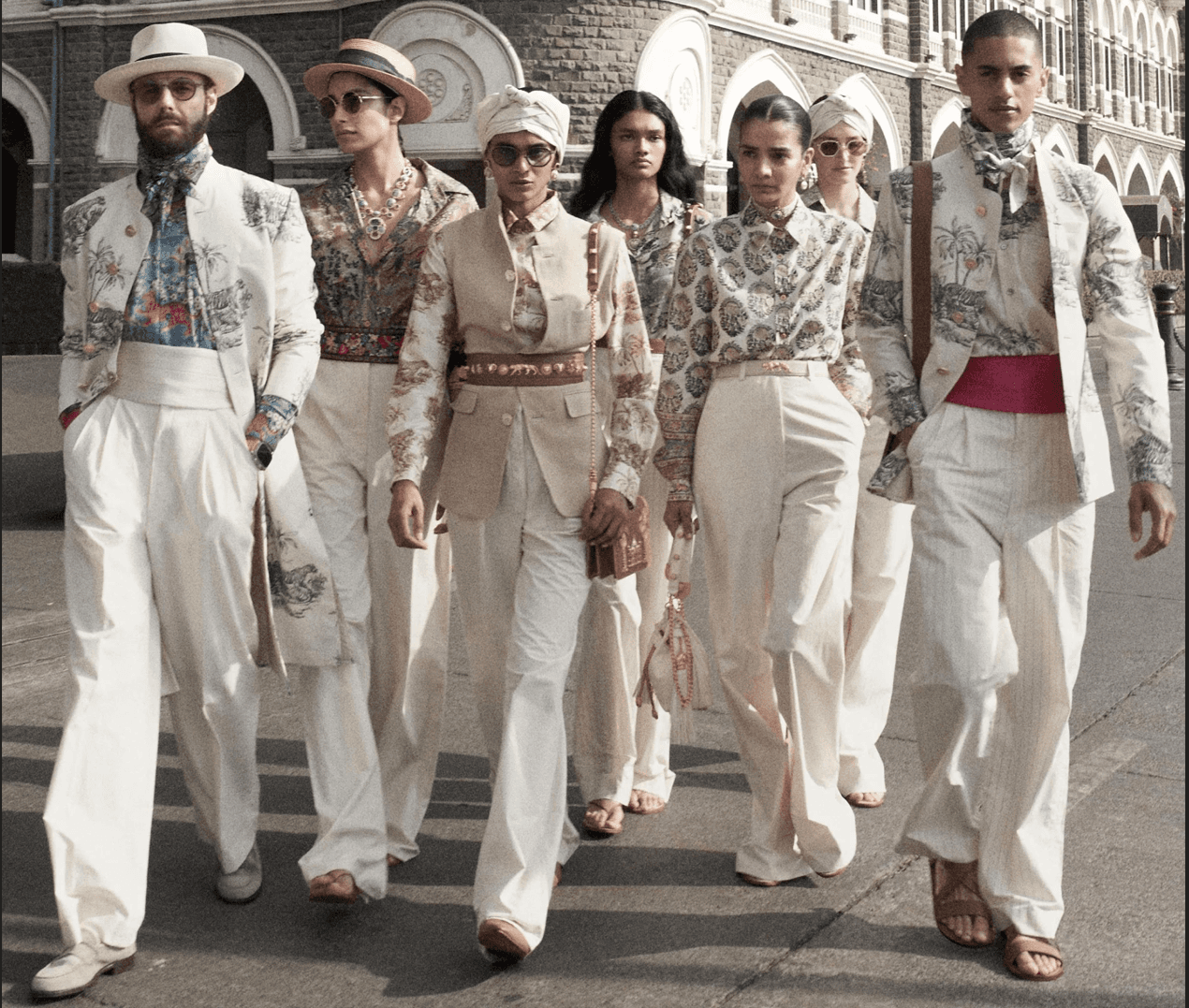
Gen Z woke up and said: "We don't want to look Western. We want to look us—but make it cool."
And Indian brands listened. Not with focus groups or market research, but with something deeper: a cultural homecoming.
This shift represents more than a marketing trend—it's a fundamental revaluation of how Indian brands position themselves, what they sell, and to whom they speak. This comprehensive analysis examines how leading Indian fashion brands—from luxury labels like Raw Mango and Sabyasachi to accessible fast-fashion players like FabIndia and Global Desi—are leveraging cultural storytelling to differentiate themselves, build deeper customer connections, and command premium positioning in an increasingly crowded marketplace.
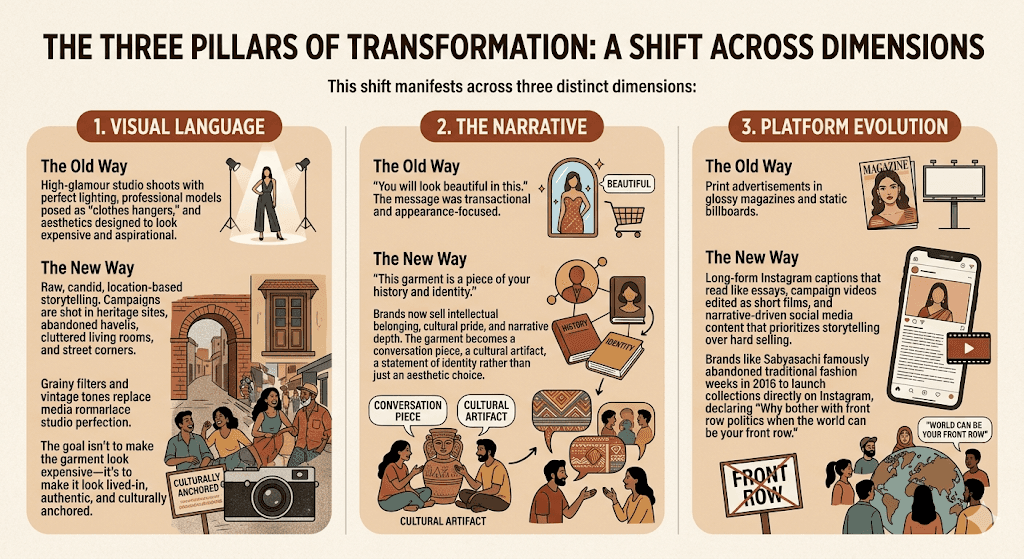
This shift manifests across three distinct dimensions:
Visual language
The narrative
Platform evolution
Raw Mango: When a Brand Becomes a Philosophy
From Textiles to "Shared Memories"
Raw Mango, founded in 2008 by Sanjay Garg, represents perhaps the purest expression of this storytelling shift. Garg himself rejects the label "designer," instead calling himself an "artisanal textile producer." This linguistic choice is deliberate—it positions the brand not as a creator of fashion but as a curator of cultural heritage.
The Strategic Pivot
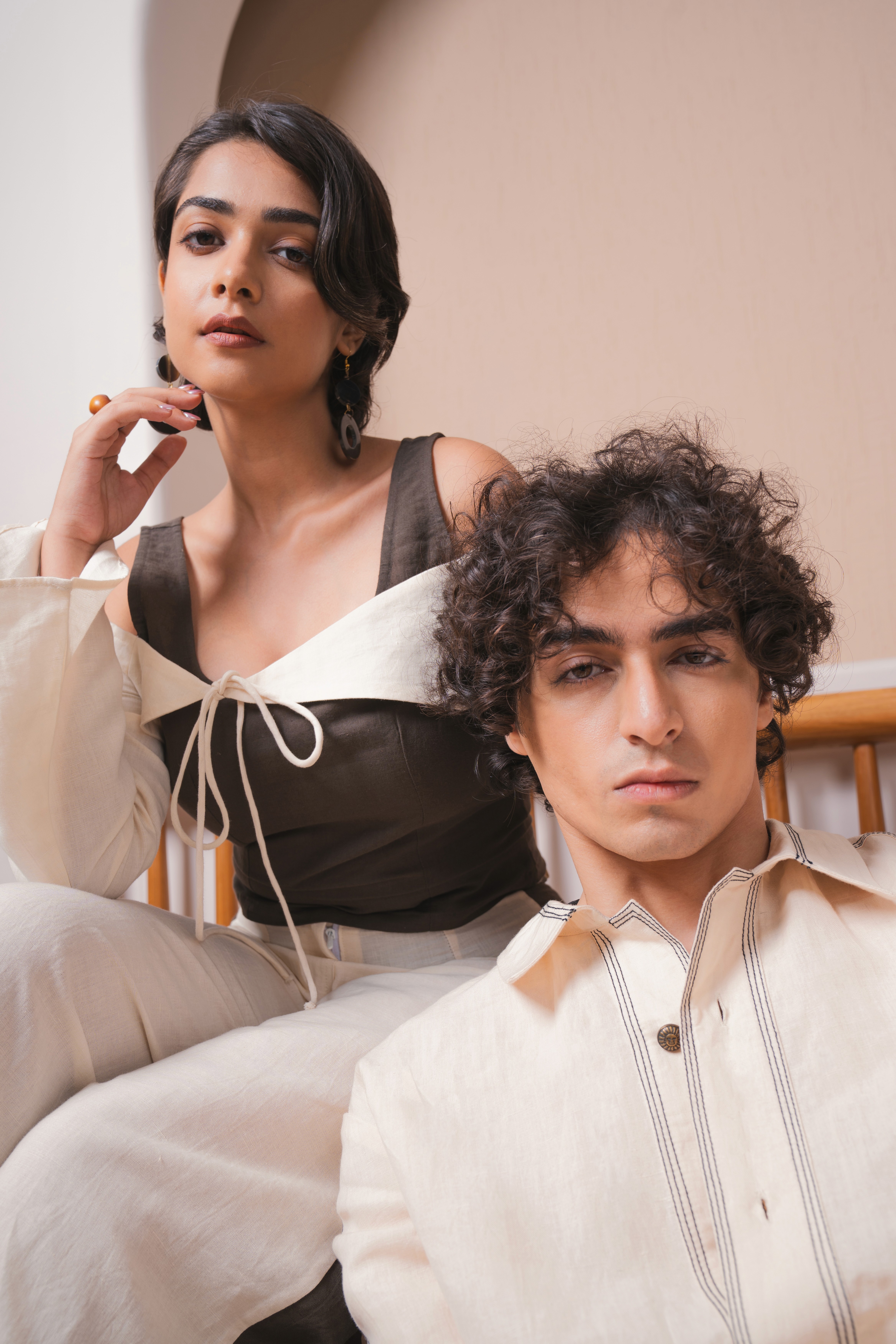
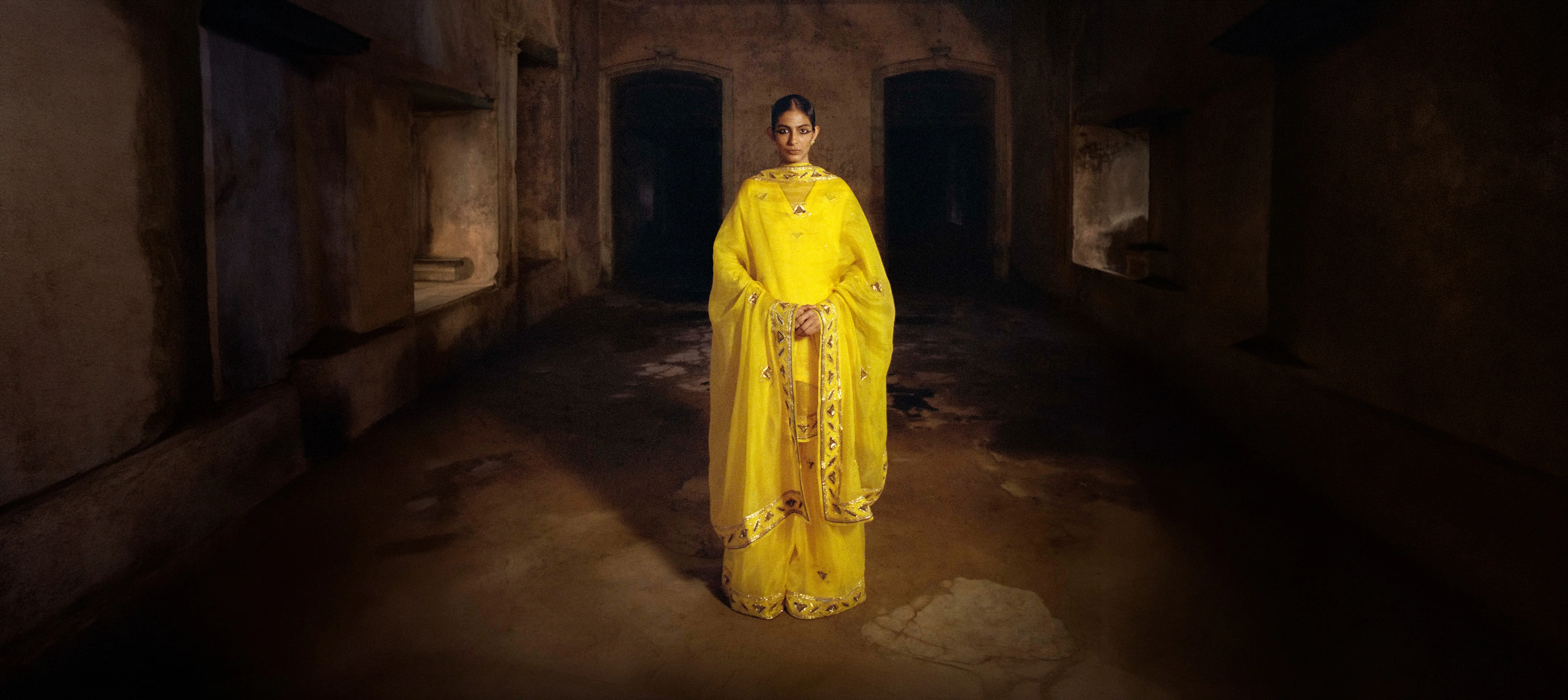
Raw Mango's transformation from traditional bridal catalog photography to cinematic social commentary represents one of the most successful executions of narrative marketing in Indian fashion. Rather than showing a model in a vacuum, their recent campaigns feel like frames from mid-20th century Indian cinema.
Raw Mango treats settings as storytelling elements, using real, lived-in spaces where the environment becomes as important as the clothes.
Their models represent cultural archetypes and identities, shifting focus from beauty to narrative and meaning.
The brand positions itself as a curator of Indian life and nostalgia, selling emotion and everyday poetry—not just garments.
Recent Campaign Analysis (2024-2025)
"Once Upon a River" (Festive 2025)
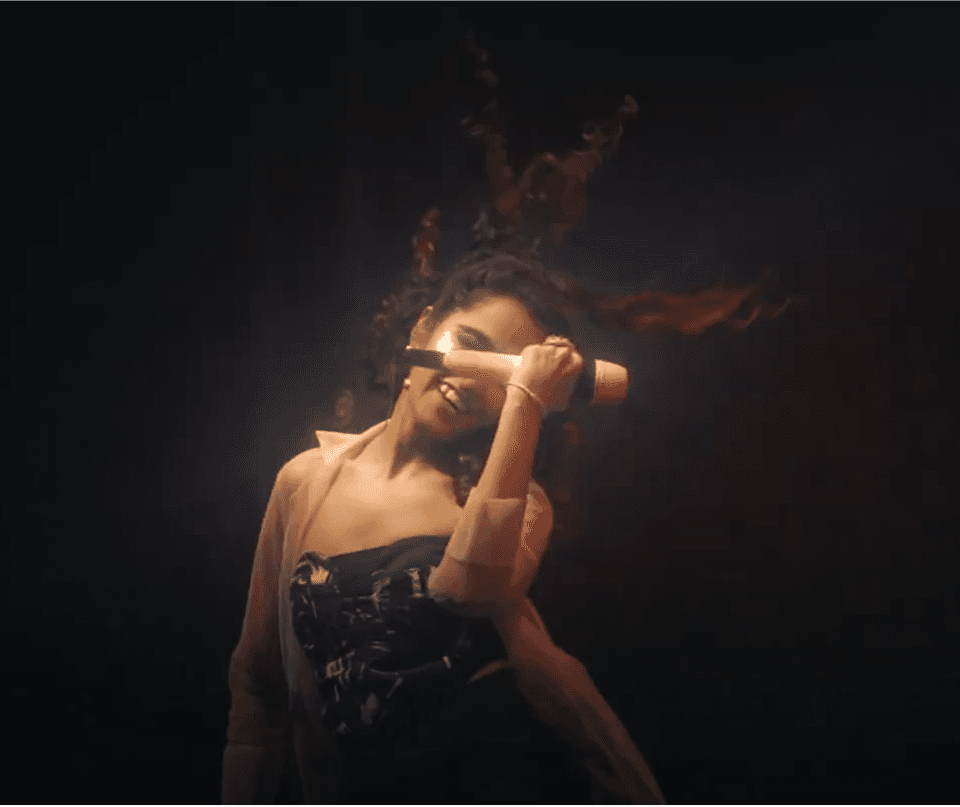
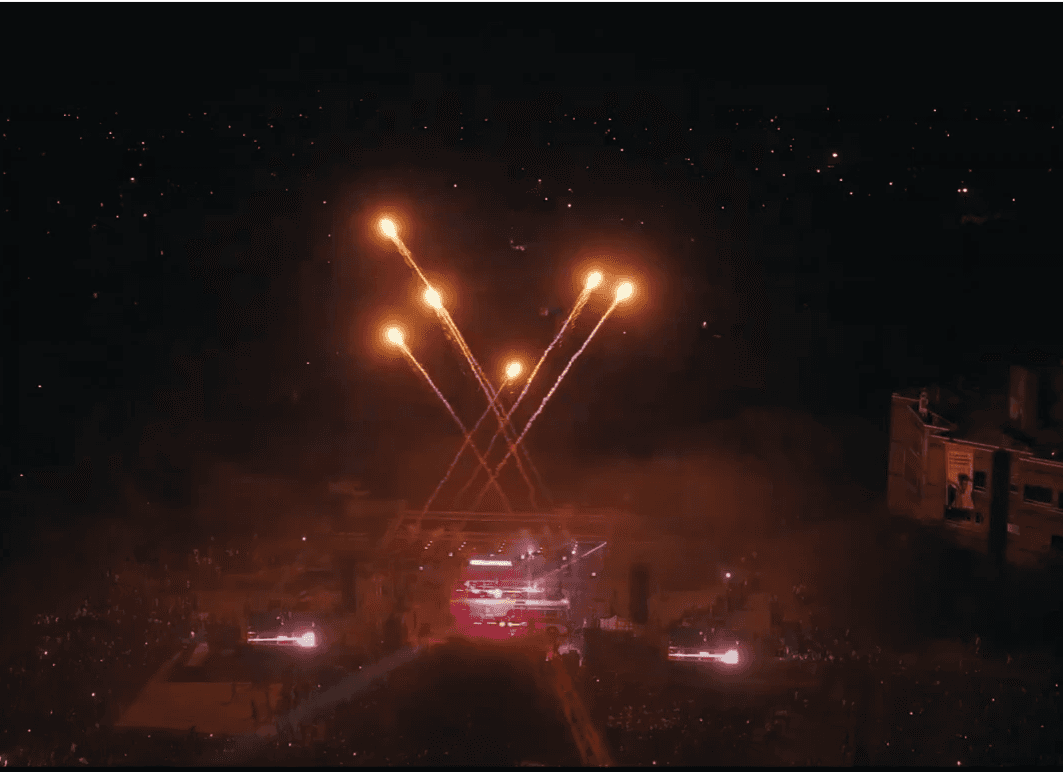
Shot in abandoned havelis in Santrampur, Gujarat, this campaign exemplifies Raw Mango's approach to surrealism with indigenous visual language. The campaign video opens with an eerie nightscape: an abandoned haveli brooding by the Suki River. Figures appear in sculptural, otherworldly poses. Flaming torches light ritualistic processions. Boats float in darkness, horse-riders traverse colonnaded passages.
Garg explains: "We are exploring our own take on surrealism, a story that takes place between the imagined and the real. To this 20th century avant-garde movement, we bring an indigenous language." The collection draws from Ashavali and Varanasi brocade archives, Ottoman velvets, and Mughal architectural inlay work.
"It's Not About The Flower" (London Fashion Week 2026)
Raw Mango's London Fashion Week debut represented a strategic decision to bring indigenous storytelling to a global stage. The collection dissolved the line between decoration and that which is adorned, shifting focus from individual motifs to arrangement, from surface-level engagement to deeper interrogation of value and belonging.
Garg's statement about the debut is telling: "Presenting here is as good as presenting in Kanpur for me. At the end of the day, it is the work being presented that matters. And that doesn't change according to who is viewing it, or where."
Case Study: Sabyasachi
The "Auteur" of Indian Luxury
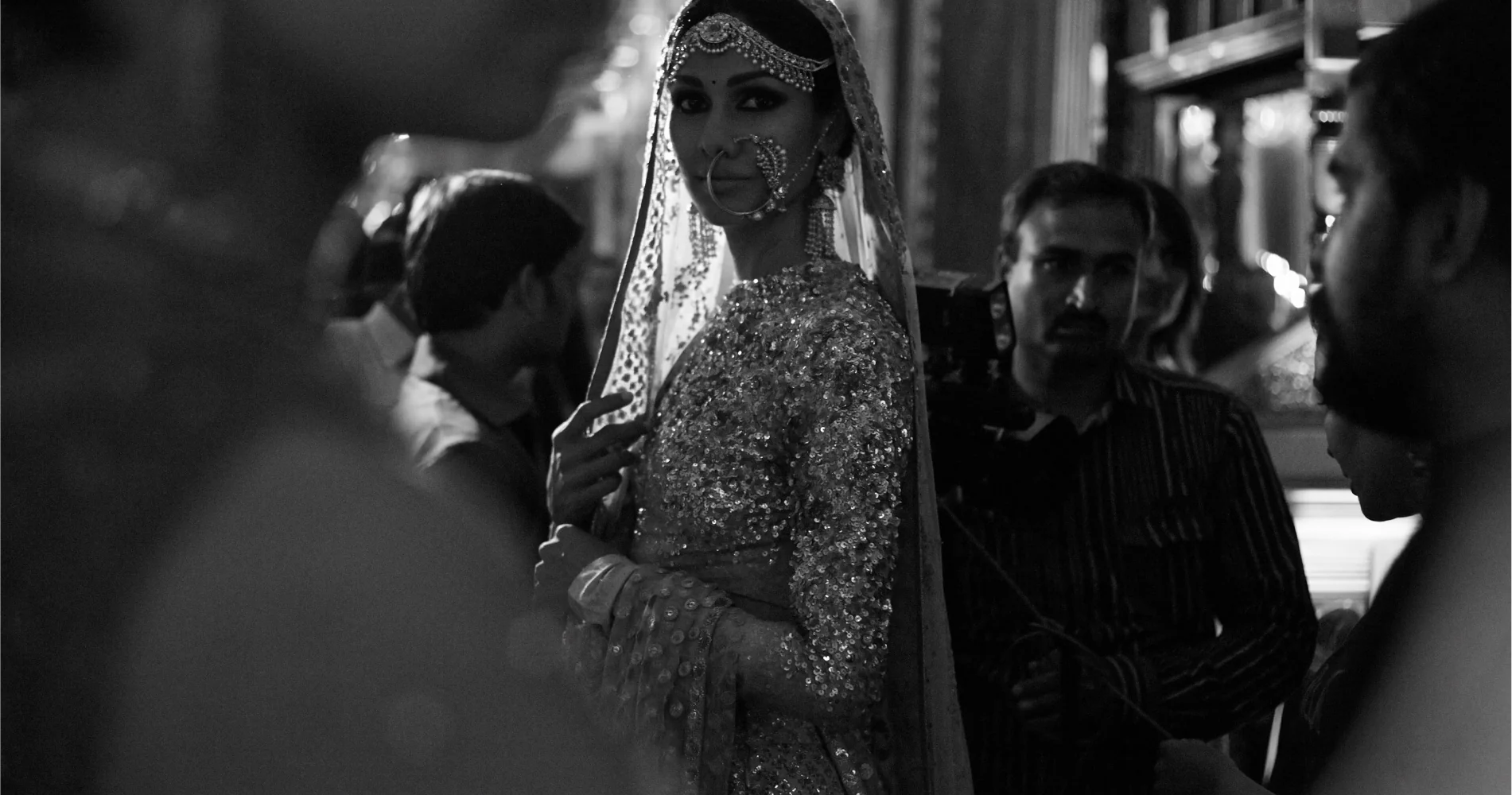
If Raw Mango changed the game, Sabyasachi Mukherjee pioneered it. He was the first to stop selling "wedding clothes" and start selling "The Great Indian Wedding" as a cultural epic. His Instagram, with over 8 million followers, is curated like a museum. His brand positioning centers on what he calls "Calcutta Nostalgia"—sepia tones, heavy jewelry, and "unfiltered" beauty.
The Marketing Masterstroke
Sabyasachi Mukherjee calls himself an “auteur”—a filmmaker’s term—because he isn’t selling clothes, he’s crafting cultural narratives. This positioning elevates the brand beyond fashion, allowing it to command premium pricing and build a deeply loyal community. By anchoring itself in evolving Indian heritage, the brand doesn’t chase trends—it outlives them.
His Instagram is curated like a digital museum—high-quality visuals, minimal captions, and a nostalgic aesthetic rooted in Indian heritage.
He blends celebrities with everyday brides, turning customers into storytellers and strengthening emotional connection.
His weddings and campaigns act as cultural events, not ads, creating timeless, story-driven content—“heirlooms you can scroll through.”
Conclusion
This shift signals a powerful change—even fast fashion is no longer just about affordability, but about meaning. Clothes are no longer competing on price tags alone; they’re competing on the stories they carry and the identities they help express. In this new landscape, fashion doesn’t just dress you—it narrates you.
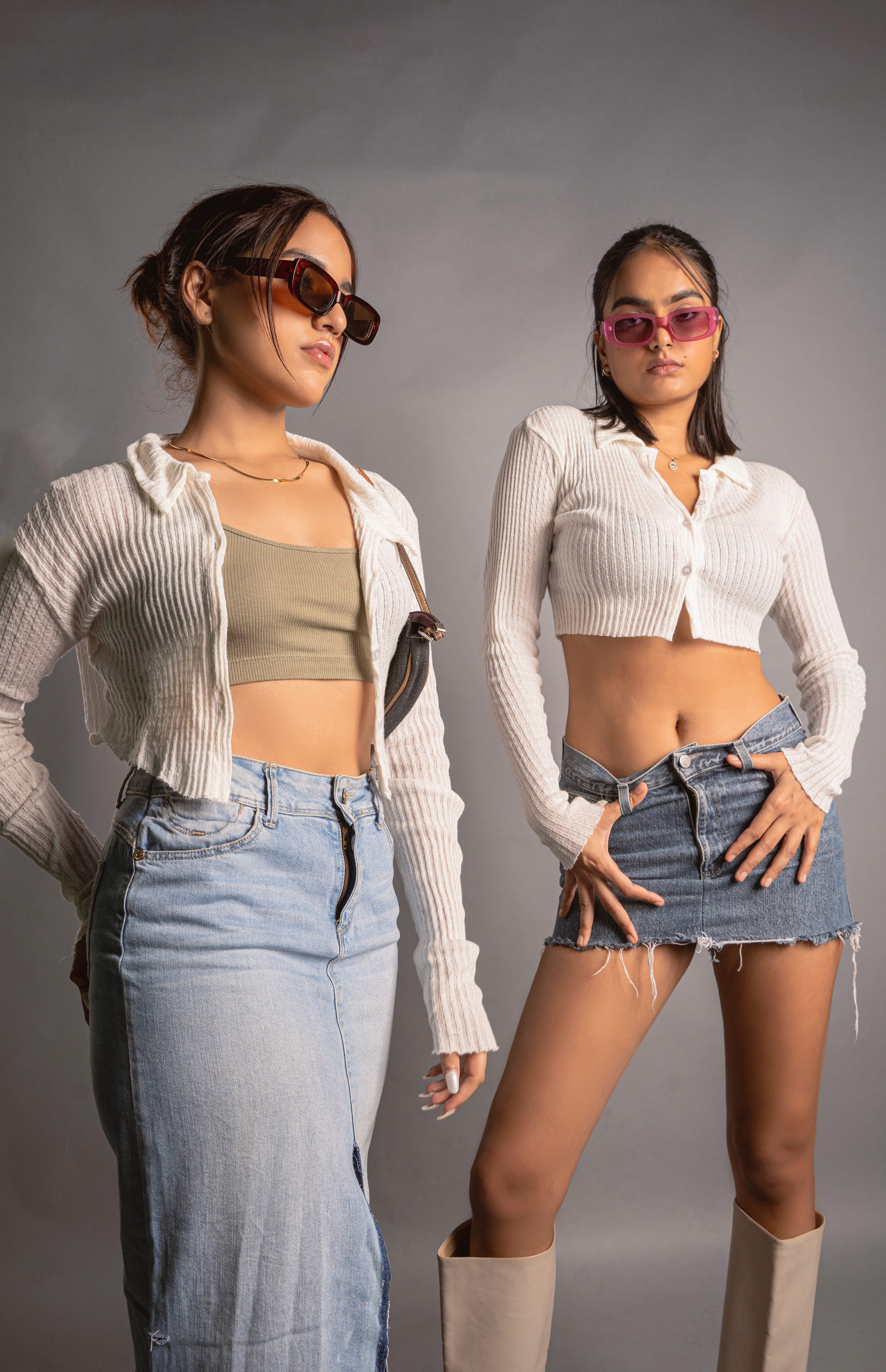
Even fast-fashion brands are adopting storytelling to add depth, learning from players like Raw Mango and Sabyasachi Mukherjee.
Narrative is becoming the new value driver—consumers are choosing what resonates with them, not just what’s affordable.
The future of fashion lies in story over price, where garments succeed not because they are cheaper, but because they mean something.