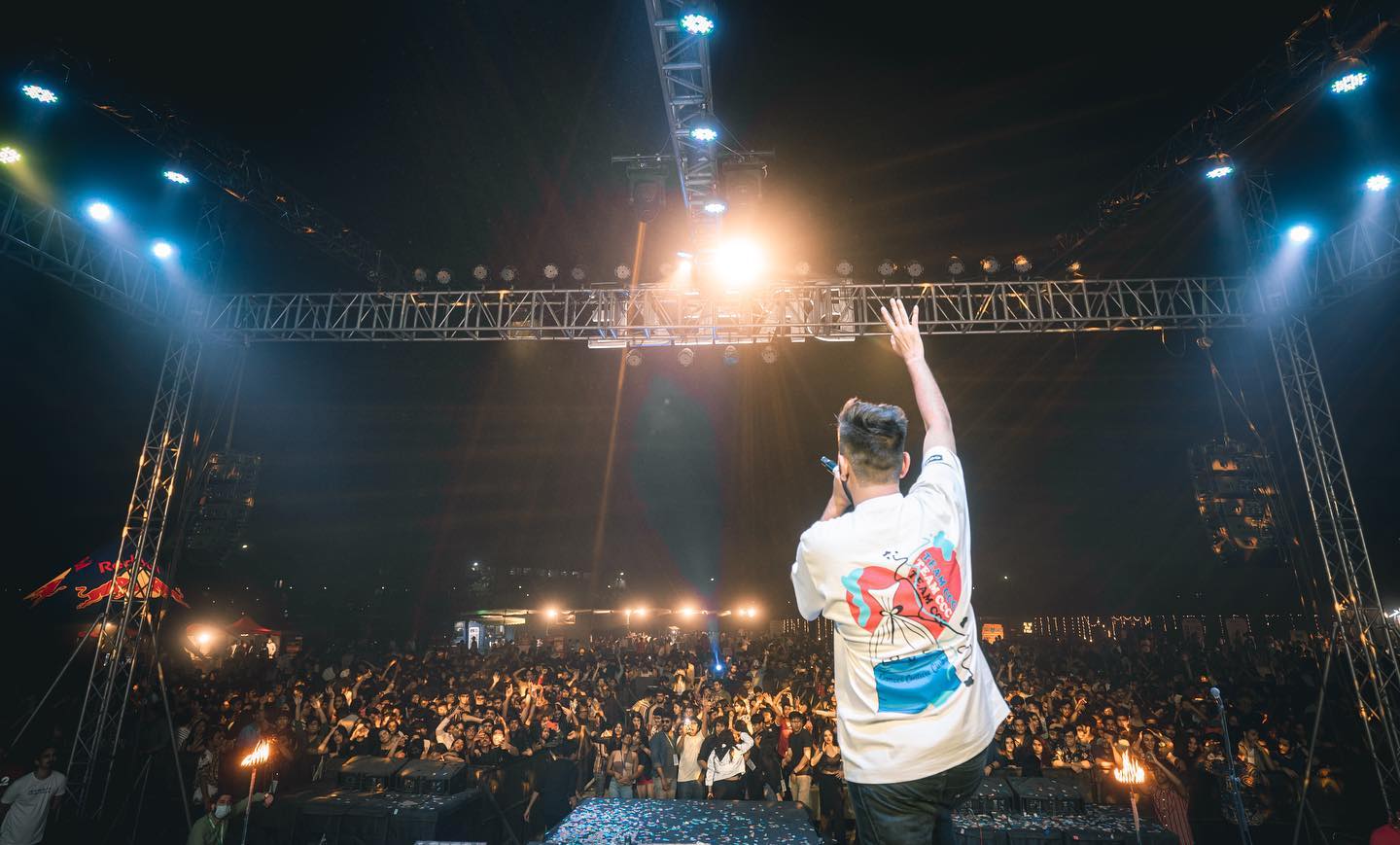
The Brands That "Built Community" Didn't Build Anything. Here's What They Actually Did.
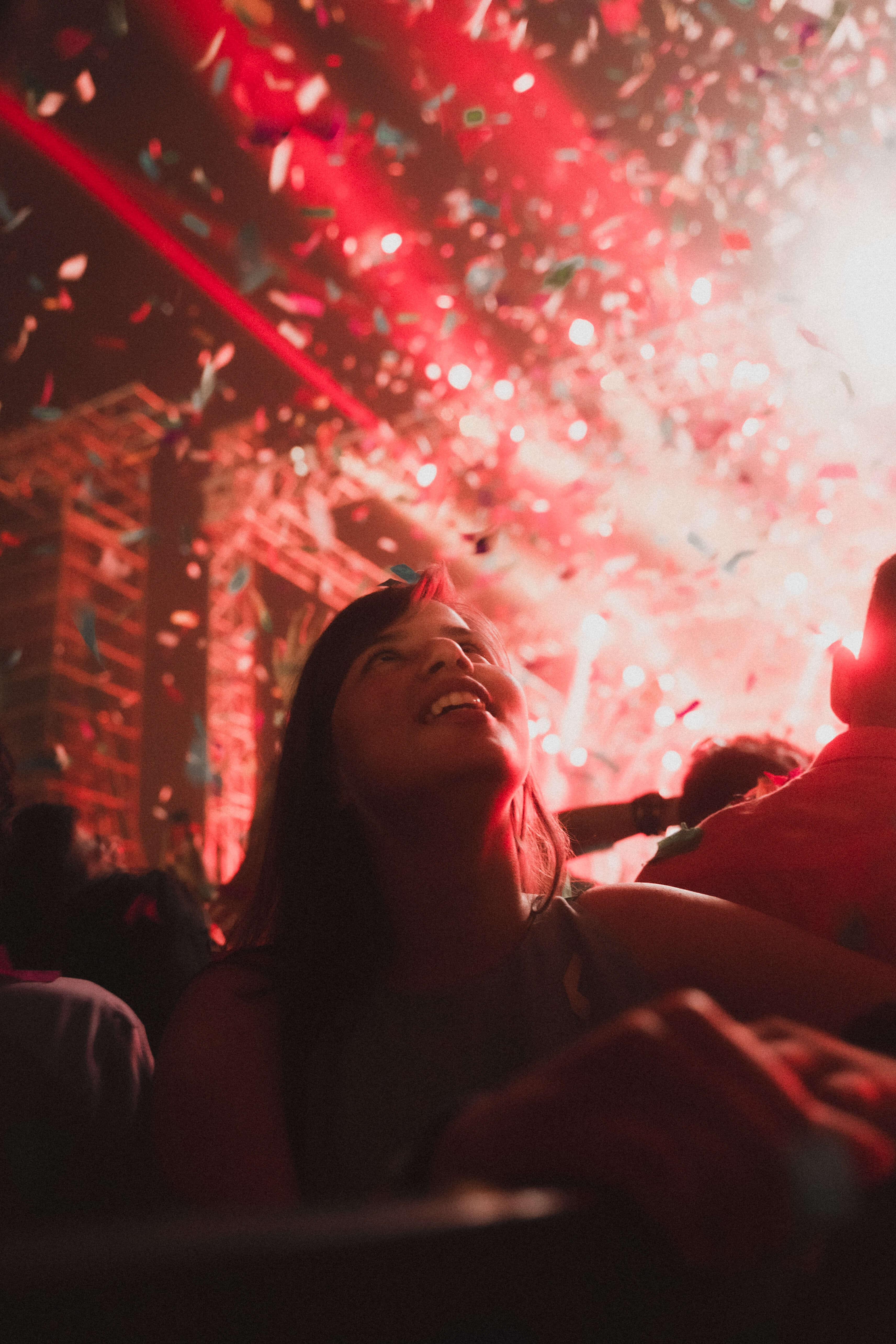
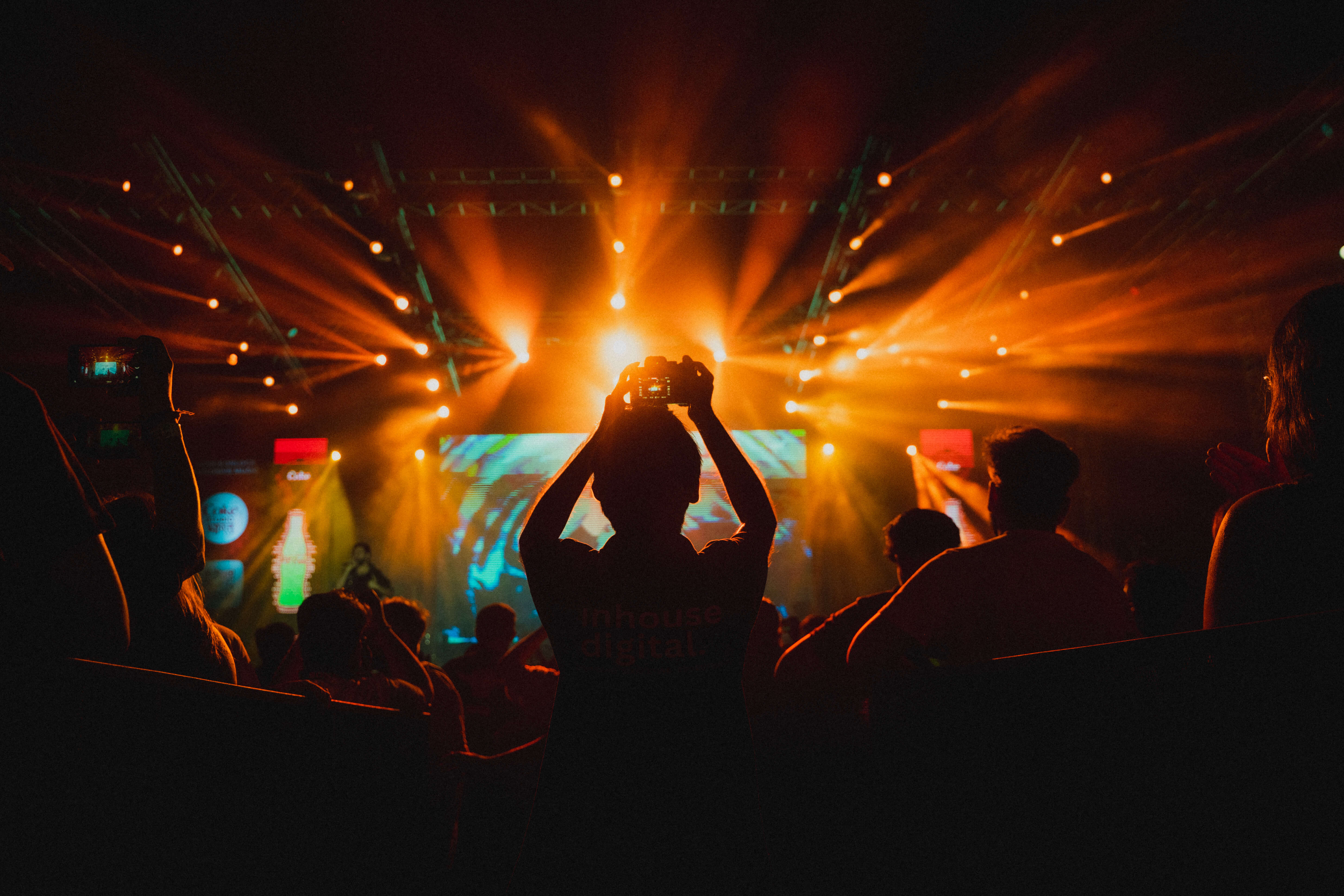
Real communities don't gather around brands. They gather around shared interests. They aren't built in a factory, they're found, understood, and earned.
Inhouse Digital
Every brand wants a community.
You can tell because everyone says so. In every marketing brief, every brand strategy deck, every agency pitch "build community" appears somewhere near the top. It has become the default ambition of modern brand building.
There is just one problem with it.
The brands that actually have communities, the ones people point to as examples did not build them. They found them. And then they did something very specific to earn a place inside them.
This distinction sounds small. It is not. It changes everything about how you approach the problem.
Source: https://www.arrowvane.com/blog/4f3kgf982nfvjsc55ww4irskyncshu
The Assumption Everyone Gets Wrong
When most brands say "build community," what they mean is: create a group of people around our brand. Start a WhatsApp group. Launch a membership. Post consistently and hope followers become loyalists.
This approach has a success rate that is close to zero, not because community is impossible to build, but because it starts from the wrong place. It starts with the brand at the centre, and asks people to gather around it.
Real community doesn't work that way. Real community already exists around shared interests, shared identities, shared frustrations, shared rituals. People gather around things that matter to them, not around brands that want to matter to them.
The brands with genuine communities understood this. They didn't create the gathering. They found where people were already gathering and figured out how to be useful there.
The Evidence
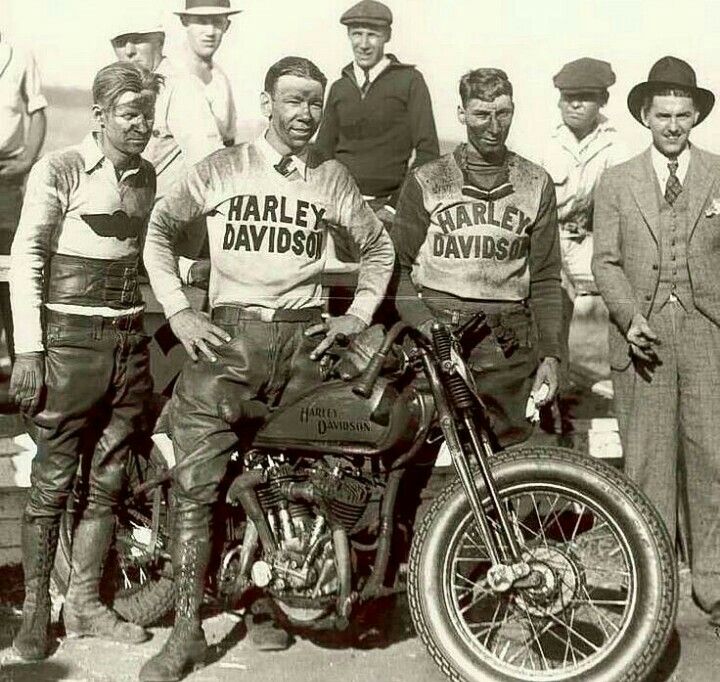
Harley Davidson did not create biker culture. Biker culture existed long before Harley became its defining brand. What Harley did was notice that a specific kind of person — independent, freedom-seeking, community-oriented despite the solitary image was buying their motorcycles and building their identity around them.
In 1983, Harley launched HOG — the Harley Owners Group. Not a marketing programme. An actual organisation for riders. Events, rallies, local chapters, a reason to gather. Harley became the most useful infrastructure that already-existing biker communities could attach themselves to.
Source: https://www.harley-davidsonx440.com/Hog-membership.html
Today HOG has close to one million members globally. Harley spends almost nothing on traditional advertising relative to its brand strength. The community does the marketing.
Vans
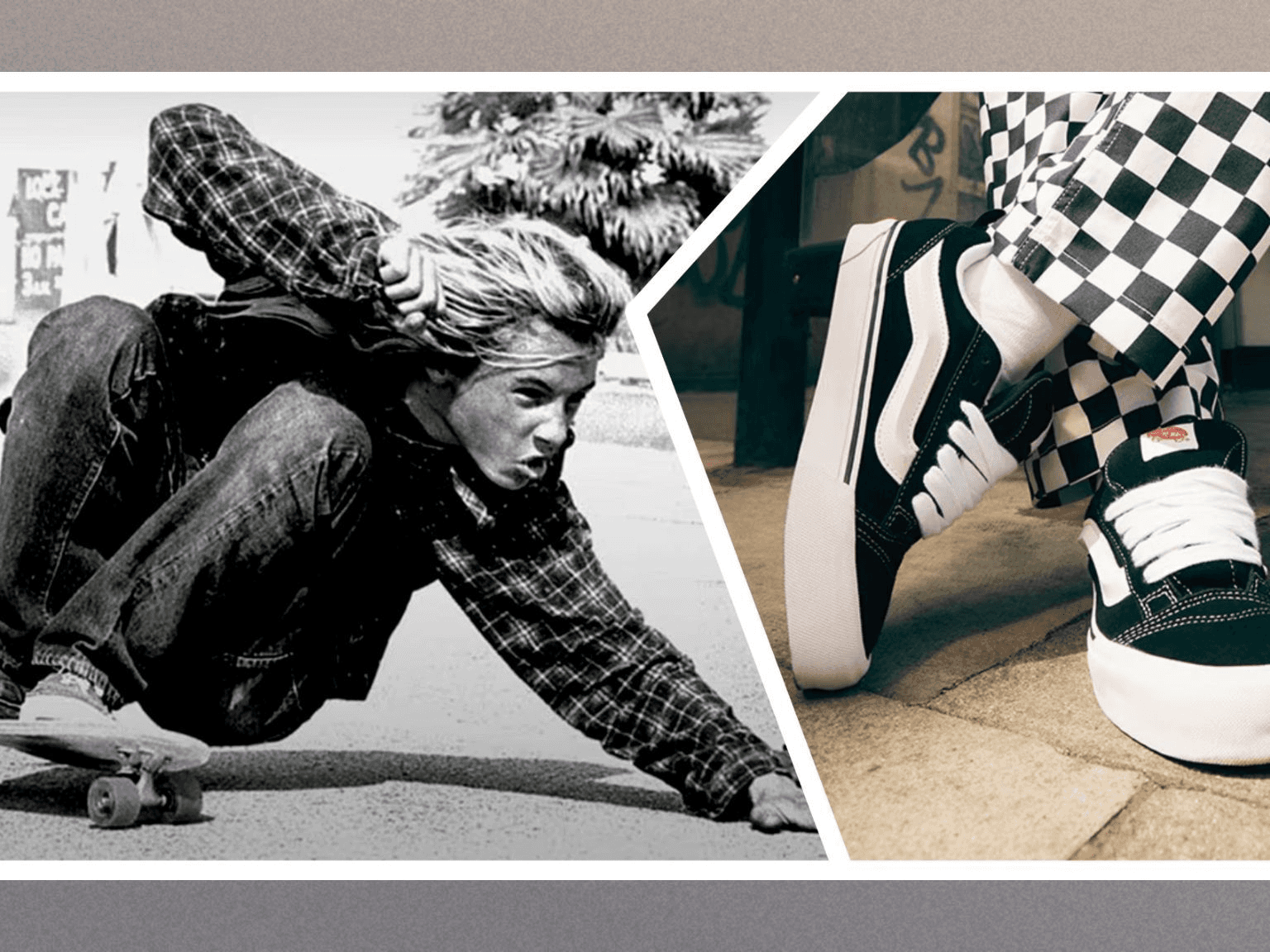
In the 1970s, Vans was a shoe manufacturer in California making standard canvas shoes. Skateboarders started buying them because the thick rubber sole worked well on a board. Vans didn't create skateboarding, skateboarding was a fringe subculture that the mainstream ignored.
What Vans did was lean all the way in. They sponsored local skaters. They let riders buy single shoes when one wore out. They designed the Era, a shoe with padded collars specifically for skateboarding. The Z-Boys, the most influential skate crew of that era, wore Vans exclusively and helped define what the brand looked like to the outside world.
Skateboarding eventually grew from a fringe activity into a global sport and cultural movement. Vans grew with it not because they built that culture, but because they were useful to it from the beginning. Today Vans is a multi-billion dollar apparel empire built almost entirely on a subculture they didn't create.
Blue Tokai (India)
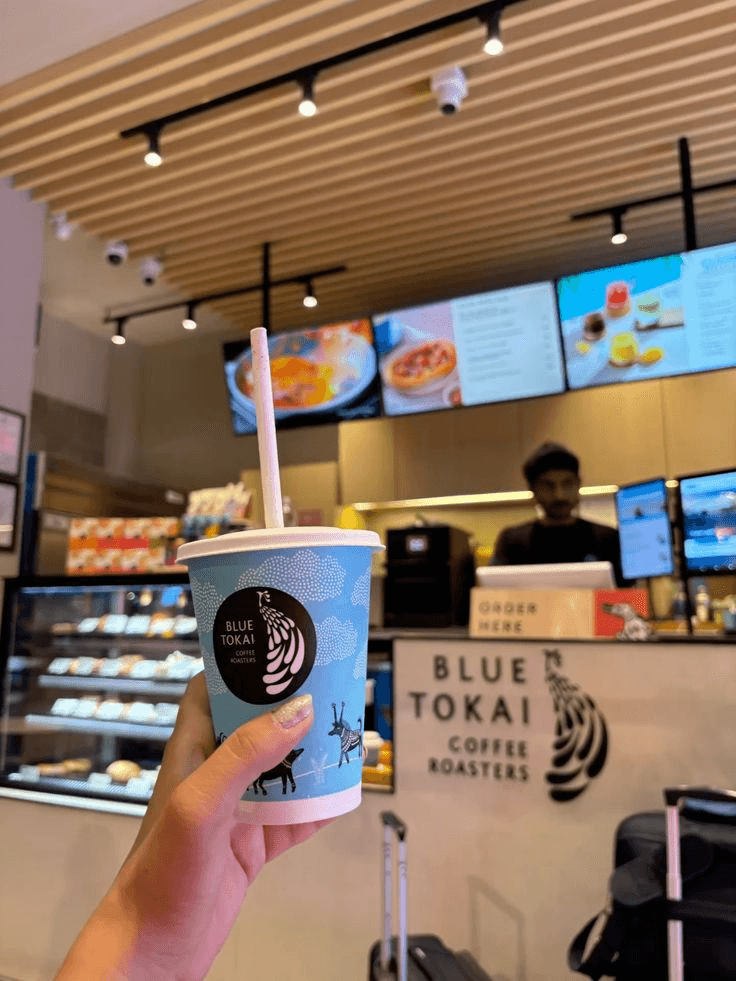
Source: https://www.instagram.com/reel/DTDLqtyjBPg/
Blue Tokai did not build running culture in Indian cities. Urban running clubs in Delhi, Mumbai, and Bangalore were already forming organically groups of young professionals meeting at 6am to run together before work, gathering around shared rituals of movement and conversation.
Blue Tokai made their cafes the finish line. The meeting point. The place the run ends and the coffee begins. They partnered with local running and cycling groups — like the We Persist Club to make their spaces the designated pit stop for weekend community runs.
The running clubs provided consistent, recurring foot traffic. More importantly, they transformed Blue Tokai cafes into community third spaces places associated with a lifestyle and identity, not just caffeine. The result: Blue Tokai successfully positioned itself as a lifestyle and wellness partner, contributing to a scale of over 110 cafes across India today.
They didn't build running culture. They became the most natural thing inside it.
ShoeGR (India)
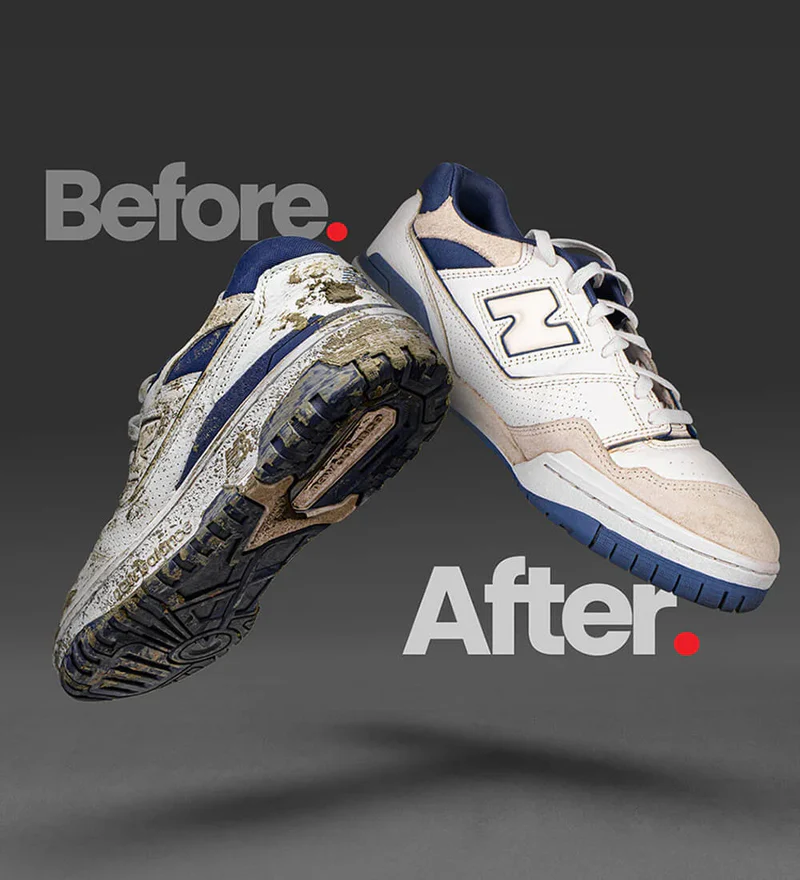
ShoeGR is an Indian premium shoe care brand. Their target audience was sneakerheads - collectors who obsess over limited-edition footwear and spend serious money maintaining it. This is a highly specific subculture with its own language, events, and hierarchy.
Instead of spending on mass-market ads to educate the average person about shoe cleaning, ShoeGR did something completely different. They set up live shoe-cleaning booths at underground sneaker conventions — SneakinOut and HGStreet and cleaned collectors' expensive, limited-edition shoes for free.
The strategic logic was precise. Sneakerheads are the toughest possible critics of shoe care. Winning their approval in public, at events where shoes are the entire point, gave ShoeGR instant credibility that no ad campaign could have bought.
The sneakerhead community adopted the brand as a badge of honour. Their public validation — shared organically across social media because they genuinely believed in the product- allowed ShoeGR to scale into a premium D2C brand without relying on expensive top-of-funnel marketing.
ShoeGR didn't ask sneakerheads to share their content. They cleaned their shoes. The sharing happened because the value was real.
Source: https://www.shoegr.com/
The Pattern Across All Four
Look at these four brands together and the pattern is identical every time.
None of them created the subculture they now define. The subculture already existed. What each brand did was identify it, understand it deeply enough to know what it needed, and then show up with something genuinely useful — not a marketing message, not a sponsorship logo, not a branded hashtag. Something that made life inside that community better in a real and specific way.
Harley gave bikers infrastructure to gather. Vans gave skaters shoes that worked. Blue Tokai gave runners a place to land. ShoeGR gave sneakerheads a service they actually needed.
In each case, the community adopted the brand because the brand earned it — not because the brand asked for it.
The Five Communities in India That Are Brand-Ready Right Now
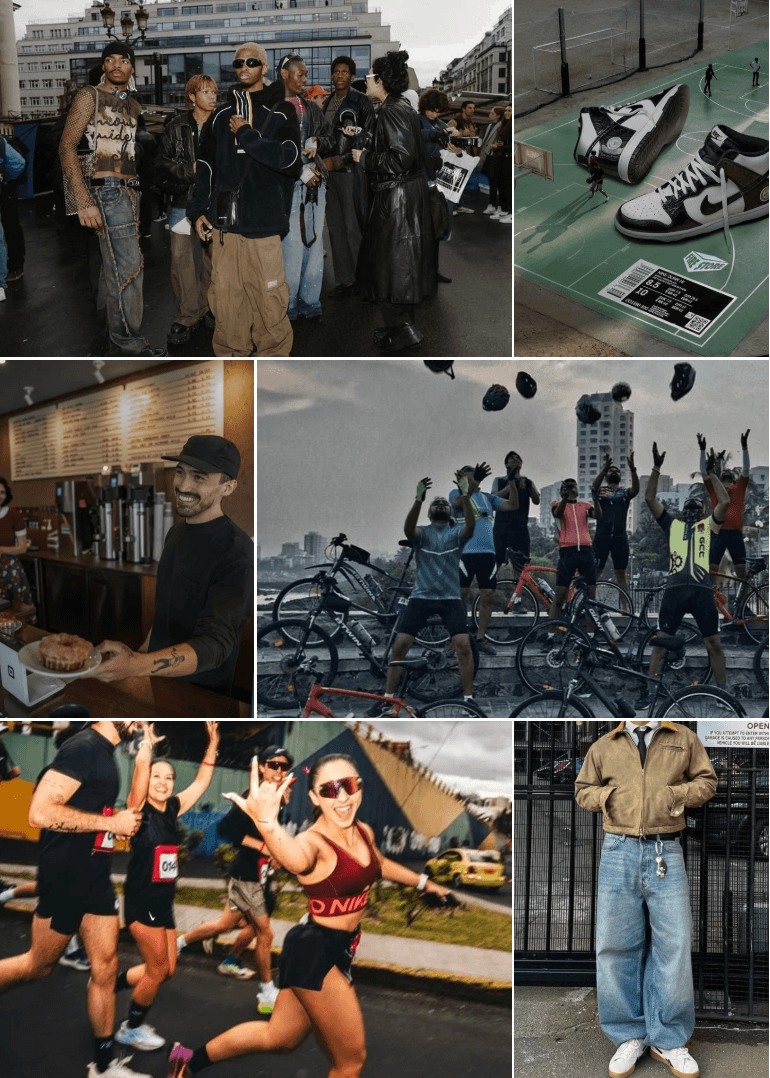
The same opportunity exists in India today across five subcultures that are growing rapidly and are almost completely underserved by brands who understand community marketing.
1. Running Clubs Urban running club participation increased 59% globally in 2024. 72% of Gen Z members say they join running clubs specifically to meet new people — not just to run. Delhi, Mumbai, and Bangalore all have exploding run club scenes. Brands like MuscleBlaze and New Balance are already moving here. The opportunity for brands in nutrition, apparel, recovery, and lifestyle is significant and largely unclaimed at the community level.
2. Sneaker Culture India's sneaker market touched $2.60 billion in revenue and is growing at 11.58% annually. Indian homegrown sneaker brands like Gully Labs and Comet are building fanbases within a targeted niche community. Communities like Sole Search and VegNonVeg have turned sneaker buying into a cultural identity — not just a purchase. Any brand that serves collectors, style-conscious young Indians, or streetwear culture has an entry point here.
3. Streetwear Community In 2018, streetwear in India was a niche subculture. Today it is one of the fastest-growing sectors in Indian fashion projected to exceed $1.5 billion by 2025, growing at over 10% CAGR. Platforms like CAPSUL are building community around it, not just selling clothes. The community is real, engaged, and brand-hungry for partners who actually understand the culture.
4. Cycling Communities Not yet mainstream-media covered but massive on the ground. Delhi, Bangalore, and Mumbai all have organised cycling groups doing early morning rides just like BHAG Club's model. Brands like Firefox Bikes, Decathlon, and Trek India are actively partnering with these groups. This is the next BHAG Club moment waiting to happen, and it is still early enough that the right brand can define its position.
5. Specialty Coffee Culture The post-run coffee ritual has turned specialty coffee shops into community hubs. Blue Tokai and Third Wave Coffee are no longer just cafes — they are the physical infrastructure of a specific identity. The specialty coffee community — people who identify as third-wave coffee people — is a distinct, growing, brand-receptive subculture in metro India. The opportunity here extends well beyond food and beverage brands.
The Framework — Find, Become Useful, Stay
Every brand that has built genuine community has followed the same three-step logic, whether they articulated it that way or not.
Find the community that already exists and already cares about something relevant to what you do. Not your target demographic. A living subculture with its own rituals, language, and identity.
Become useful to that community in a specific and real way. Not a marketing message. Not a sponsorship. Something that makes life inside that community better — a service, a space, a resource, a product that solves a real problem they have.
Stay. Show up consistently. Build trust over time. The brands that earn genuine community loyalty are the ones that were there before it was popular and stayed after the hype moved on.
This framework is slower than a campaign. It is also more durable than one.
The brands built on genuine community are the ones that survive market downturns, category disruption, and changing consumer preferences — because their audience isn't following a brand. They are part of something they genuinely care about, and the brand is part of it too.
What InHouse Does Differently
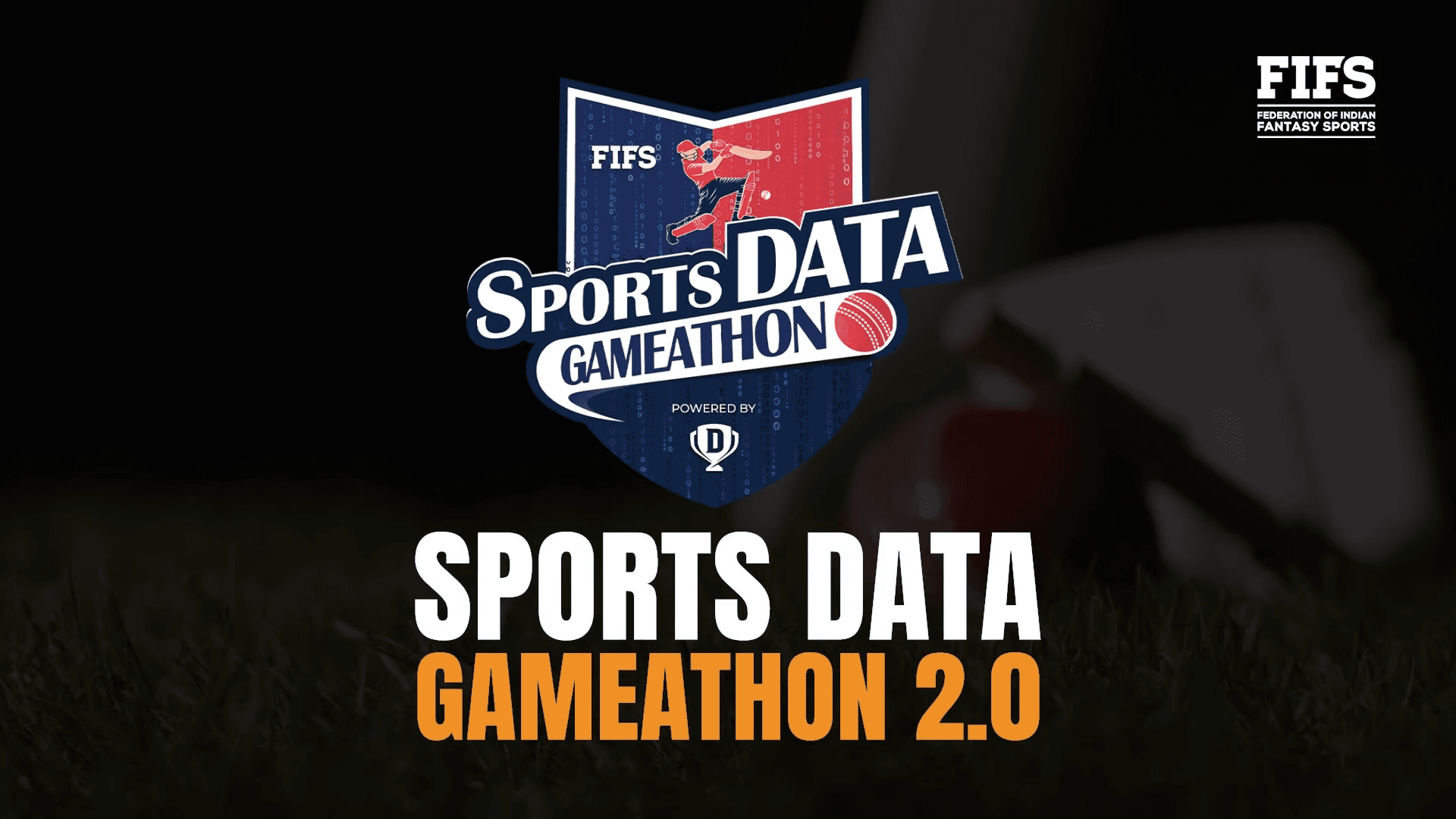
At InHouse Digital, we have spent the last several years working at the intersection of community and content for brands across consumer, Web3, sports, and entertainment. Our work on FIFS's Gamethon 2.0 — a pan-India fantasy cricket campaign that achieved 19.5x growth in Tier 3 India — was built entirely on the insight that student communities in non-metro cities don't respond to broadcast. They respond to trust built inside the community.
We didn't run ads at them. We showed up on their campuses, built ambassador networks within their institutions, and ran engagement sessions that made participation feel like belonging — not like registration.
That is what community marketing looks like when it works.
If you are a brand trying to figure out which community you belong in — and how to earn your place there — that is the conversation we want to have.
Ready to figure out where your brand belongs? Talk to us at contact@inhousedigital.in or visit inhousedigital.in
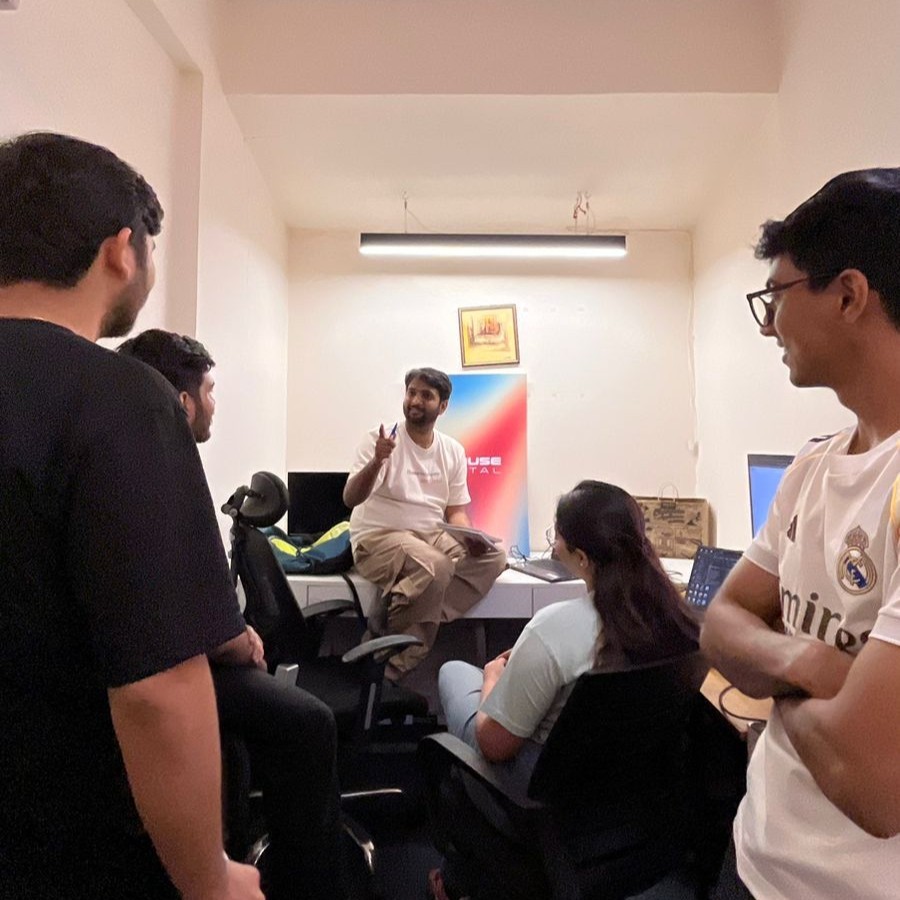
InHouse Digital is a narrative-first creative agency — strategy, content, and marketing built around your brand's goals. This is the first in a series on community marketing, interest-led growth, and what it takes to build brands that last.
Sources:
Hivelr (Running club participation data, 2024)
IIDE (India sneaker market data)
Arena (Indian streetwear market projections)
Meta–A&M India Report 2025 (Community marketing India data)
StartInc: 3 Proven Community Marketing Wins by Indian D2C Brands (Blue Tokai)
SneakinOut Festival Features (ShoeGR community activation)
Shortlist: 60 Years of Vans (Vans history)