From Blueprint to Film in Days — The Practical Guide to AI Visual Production
70-90% reduction in pre-production. 40-60% reduction in VFX. AI didn't lower costs. It raised what's possible. Here's what brands need to know right now.
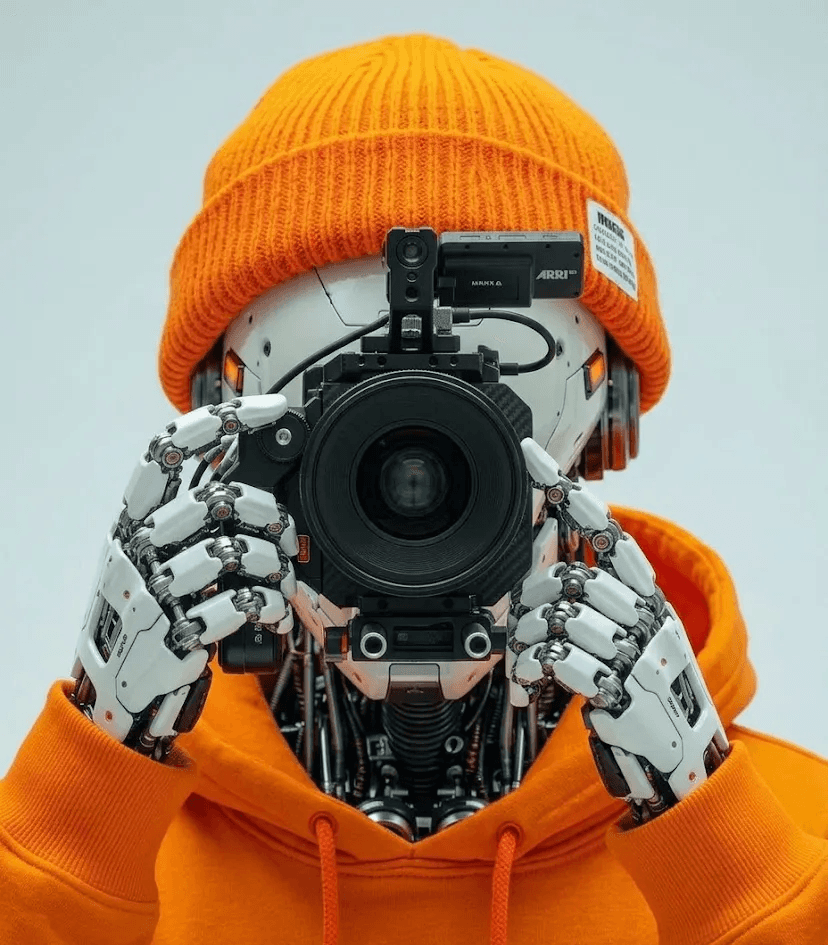
Technology and Hardware — The Product Explainer Revolution
Tech and hardware companies have always had a communication problem. Their products are technically sophisticated, visually complex, and often impossible to film in a way that conveys how they actually work.
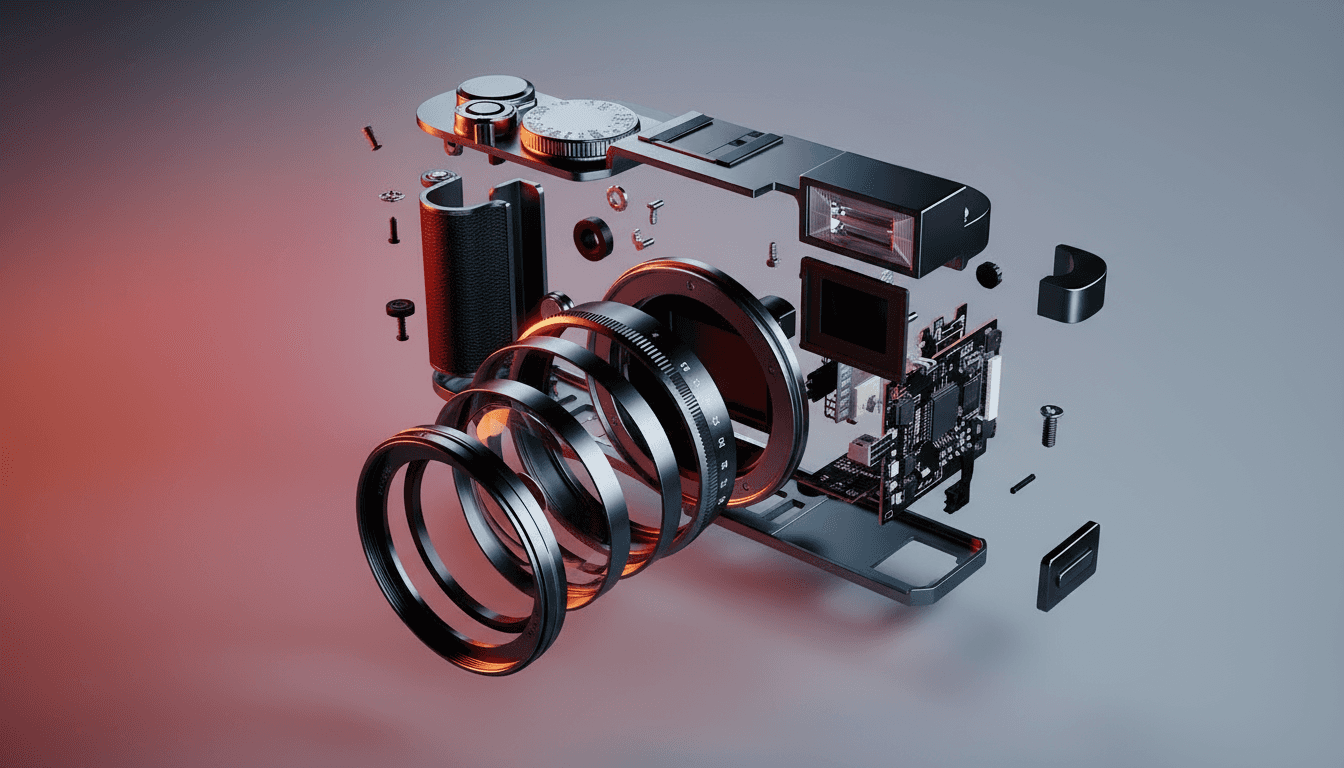
A semiconductor. A data centre architecture. A new IoT device ecosystem. A proprietary software platform. These things matter enormously but photograph badly.
What AI changes: AI-generated product films can now visualise the invisible. The internal architecture of a chip. The data flow through a cloud infrastructure. The user journey through a software platform.
This is not about making things look cool. It is about making things understood. In B2B sales where a single enterprise client represents crore of revenue being understood is everything.
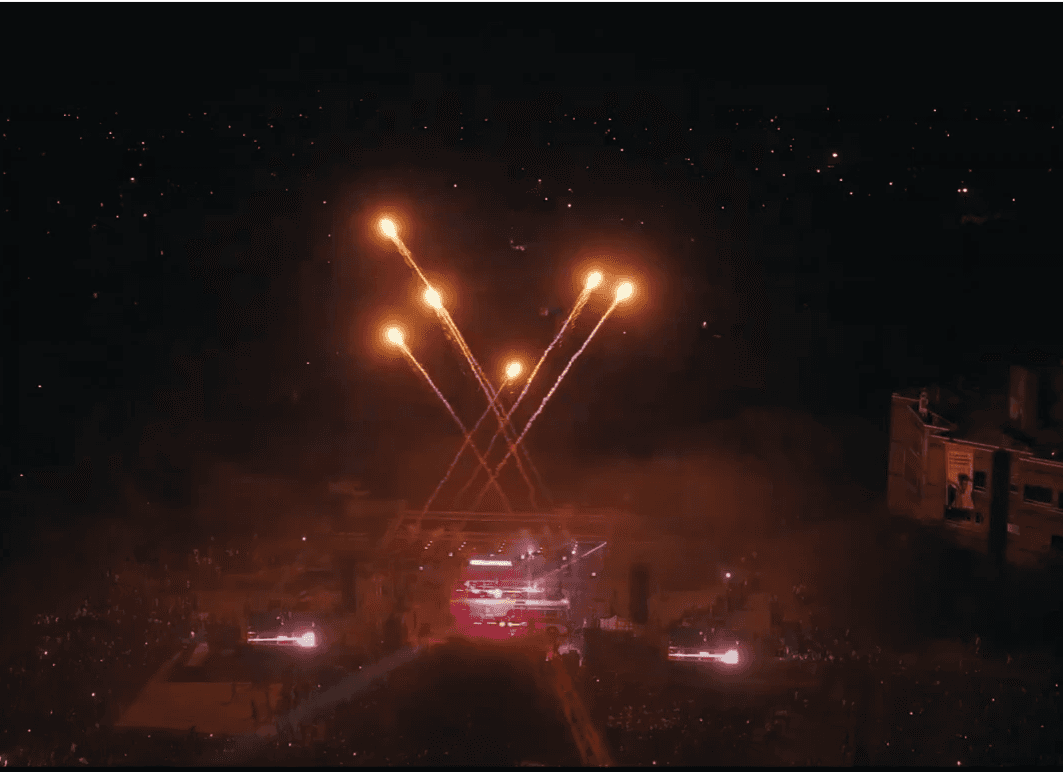
What Tata Steel understood: When Tata Steel needed a brand film for their global leadership summit in Abu Dhabi, visualising the future of their product and vision. They did not wait for a traditional production. The entire film was AI-generated and delivered in 10 days. No crew. No location shoot. A cinematic film on a global stage.
That is a legacy industrial brand making a decision most digital-native companies have not made yet.
The move: Audit every moment in your sales process where you are currently explaining something with words that should be shown visually. Every one of those moments is now a candidate for AI-generated content produced quickly, updated regularly, calibrated to the specific audience seeing it.
The Cost Reality — What Has Actually Changed
Stage | Traditional Cost | AI Projection 2026–2030 |
|---|---|---|
Pre-Production | High — manual storyboarding, recce | 70–90% reduction |
VFX and Cleanup | Massive — frame-by-frame labour | 40–60% reduction |
Dubbing and Localisation | Per-language cost | 80% reduction |
Indie / Standalone Productions | Multi-crore barriers | 1/10th the traditional budget |
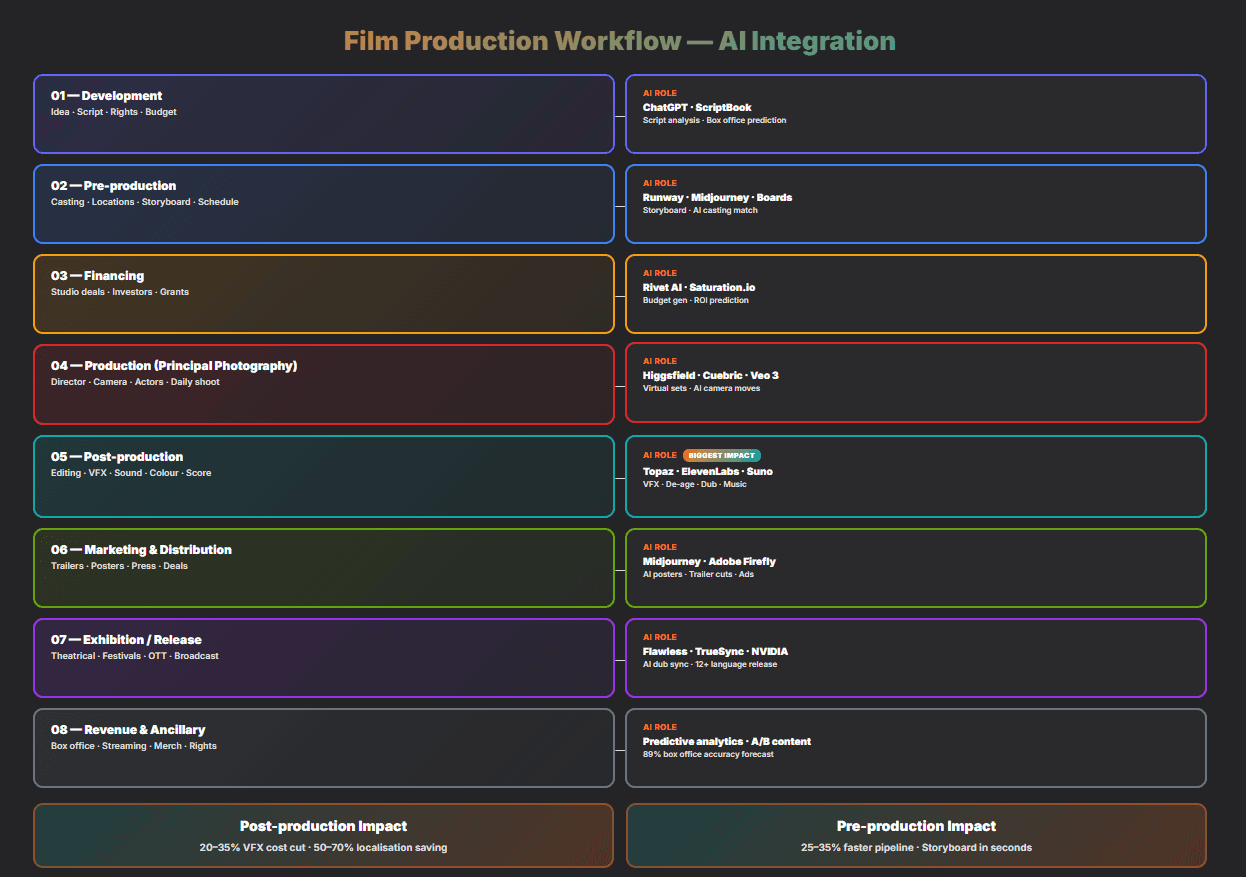
Source: grandviewresearch.com, mckinsey.com
The stages that were previously most expensive requiring the most human labour are where AI delivers the greatest reduction.
But here is the mistake most brands make: they treat this as a cost-cutting exercise.
AI didn't lower the floor. It raised the ceiling.
A real estate developer producing a ₹2 lakh AI walkthrough instead of a ₹20 lakh traditional one is saving money. A developer using AI to produce a cinematic sales experience that converts buyers faster is building a competitive advantage.
Those are different decisions. The second one is the right one.
How to Start — Four Steps
Step 1 — Identify your showing problem Where in your sales or marketing process are you describing something that should be shown? That is your entry point.
Step 2 — Start with one high-value use case For a real estate developer - the pre-launch walkthrough film. For a hardware company - the flagship product explainer. Do that one thing properly before scaling.
Step 3 — Work with people who understand both the technology and the story AI visual production is not a software problem. It is a creative problem that uses new tools. The output is only as good as the brief, the narrative, and the decisions about what to show and leave out.
Step 4 — Think in campaigns, not one-offs A real estate project can have different walkthrough films for different buyer profiles. A tech company can update its product explainer every quarter. That content velocity was previously impossible. It is now a strategic option.
The Window Is Open — But Not Indefinitely
The industries that move into AI visual production now will have a period of genuine competitive advantage. In two to three years, this will be table stakes — the minimum standard, not the differentiator.
The question is not whether your industry will be changed by this.
It already has been.
The question is whether you lead that change — or catch up to it.
InHouse Digital is a narrative-first creative agency working at the intersection of strategy, content, and technology. We have delivered AI-generated films for Tata Steel, SUGEE, and brands across real estate, tech, and capital-heavy industries.
If you are ready to figure out what AI visual production looks like for your brand — this is where to start.
→ contact@inhousedigital.in | inhousedigital.in
Sources:
grandviewresearch.com (Production cost projections)
mckinsey.com (Content spend and workflow disruption, Jan 2026)