AI Has Already Changed Your Industry.
Real estate and architecture are fields where human experience matters the most. The property should feel like a home and the architecture should feel like a strong structure. You can now leave the visualization to AI.
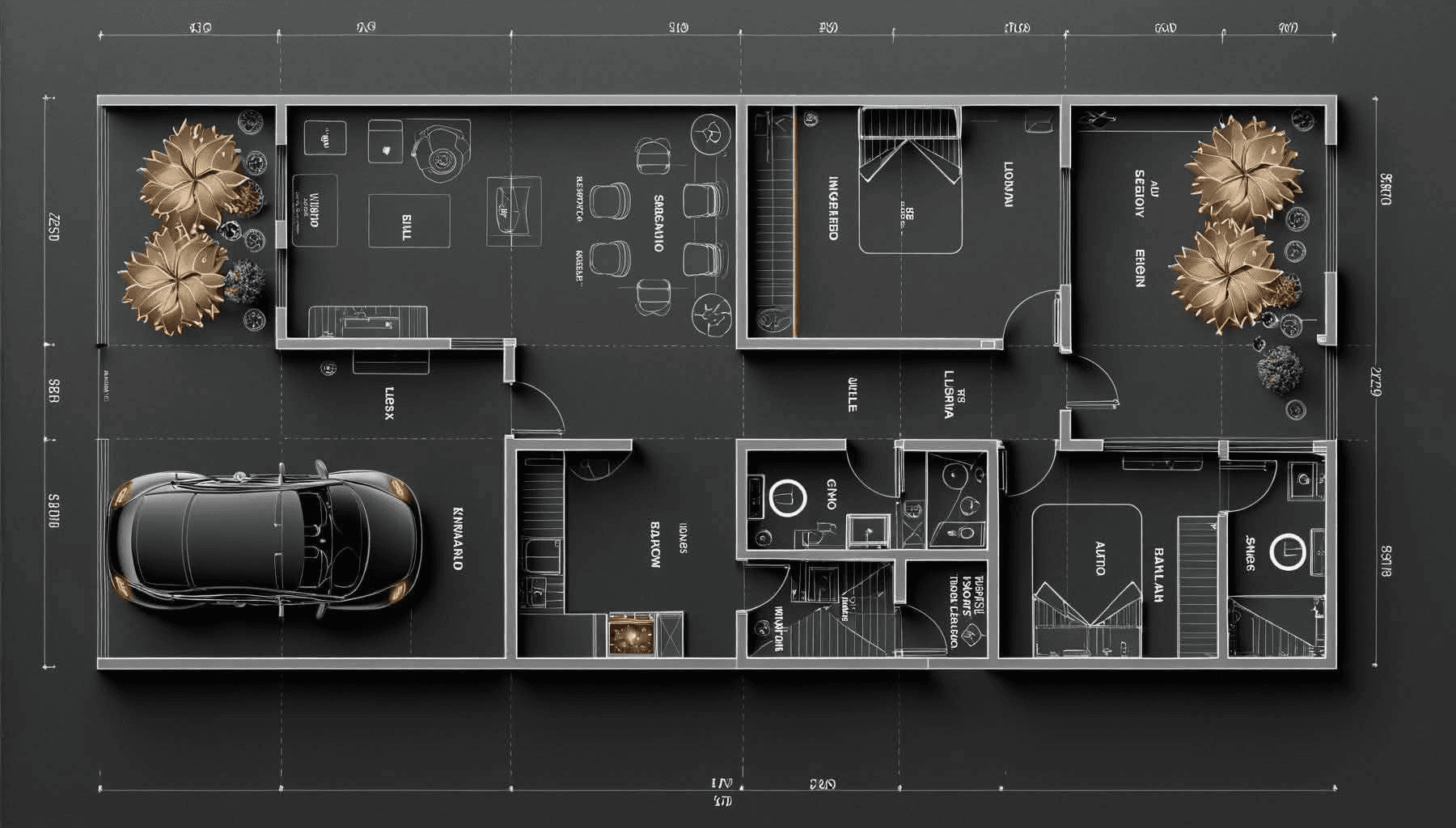

Source: https://www.wearetown.co.uk/render-and-reality/
There is a version of the AI filmmaking conversation that stays inside entertainment. Directors, studios, streaming platforms.
That is not the conversation that matters most for you.
The more urgent one is this: AI-generated visual content has quietly dismantled the production barriers that kept entire industries from communicating their work properly. Industries that are not in the business of filmmaking at all but that have always desperately needed it.
Real estate. Architecture. Interior design. Hardware. Tech.
These industries have always had a showing problem. They sell things that are invisible, incomplete, or too technically complex to communicate through conventional means. Expensive renders. Physical models. Content that was either too costly to produce properly or too generic to actually persuade.
AI removes that constraint. Almost entirely.
Real Estate — The Industry With the Most to Gain
A developer needs to sell units in a project that will take three years to build. The sales process begins before a single floor is laid.
Buyers need to visualise what they are buying - the view from the 14th floor, the light in the living room at 7pm, the feel of the lobby. Traditional solutions were renders (expensive, static, unconvincing) or showflats (even more expensive and fixed).
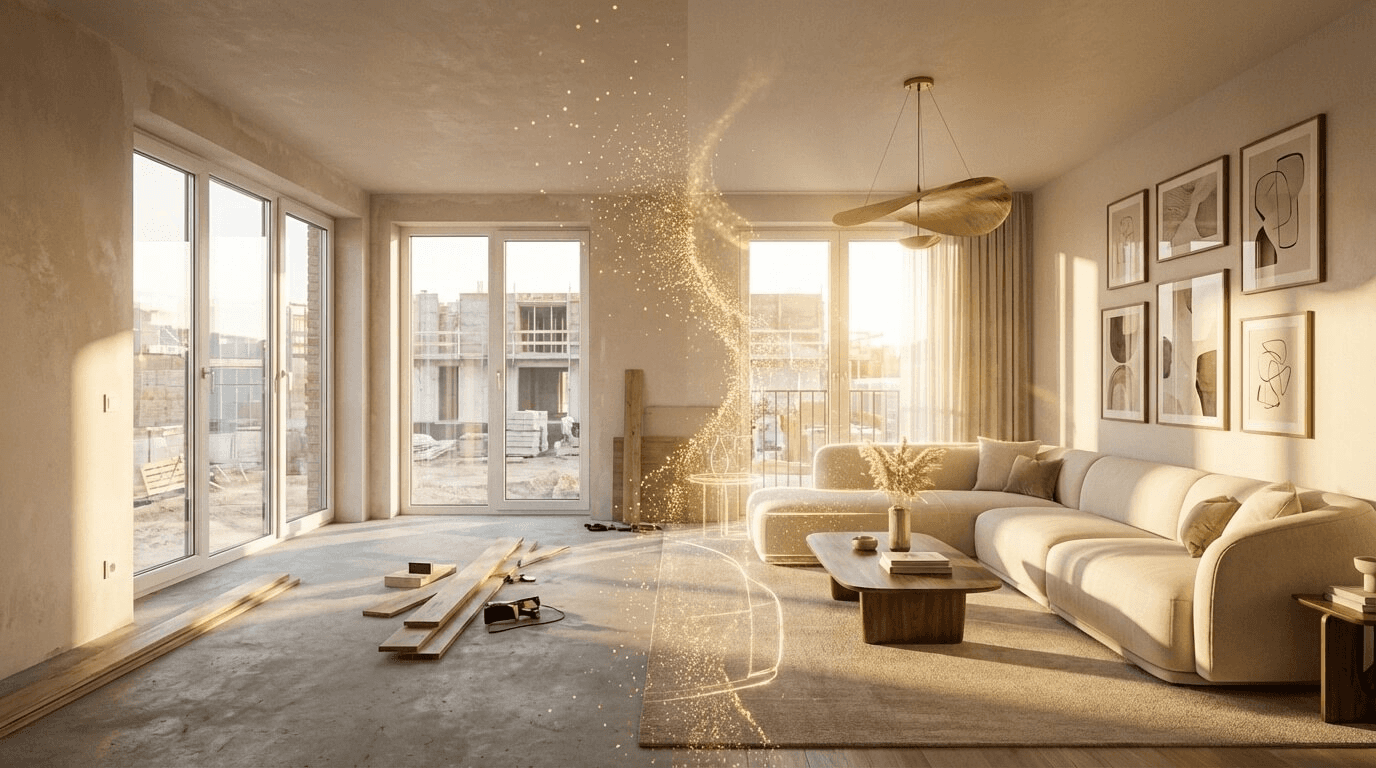
Source: https://visualizee.ai/blog/interior-ai
What AI changes: An entirely AI-generated walkthrough film of the completed project — the view, the interiors, the amenities — produced in days, not months. Not a rough visualisation. A cinematic, photorealistic film that a buyer watches and feels emotionally connected to.
Pre-production cost reduction through AI visualisation: 70–90% compared to traditional methods.
This changes the entire sales funnel. Instead of a static brochure and a renders PDF, a developer can now offer a buyer a genuine experience of a property that doesn't exist yet. The emotional decision which is how most real estate purchases are made can be triggered much earlier.
The move: Stop thinking about AI visual content as a cost-saving tool. Start thinking about it as a sales conversion tool. The question is not "how do we spend less on renders." The question is "how do we get buyers emotionally committed earlier."
Architecture and Interior Design — Selling the Vision Before the Build
An architectural firm pitching a large-scale project typically presents through 2D drawings, 3D renders, and physical models. These tools communicate the logic of a design. They rarely communicate the experience of it.
A render tells you what a building will look like. A film tells you what it will feel like to be inside it.
That gap is where most pitches are won or lost.
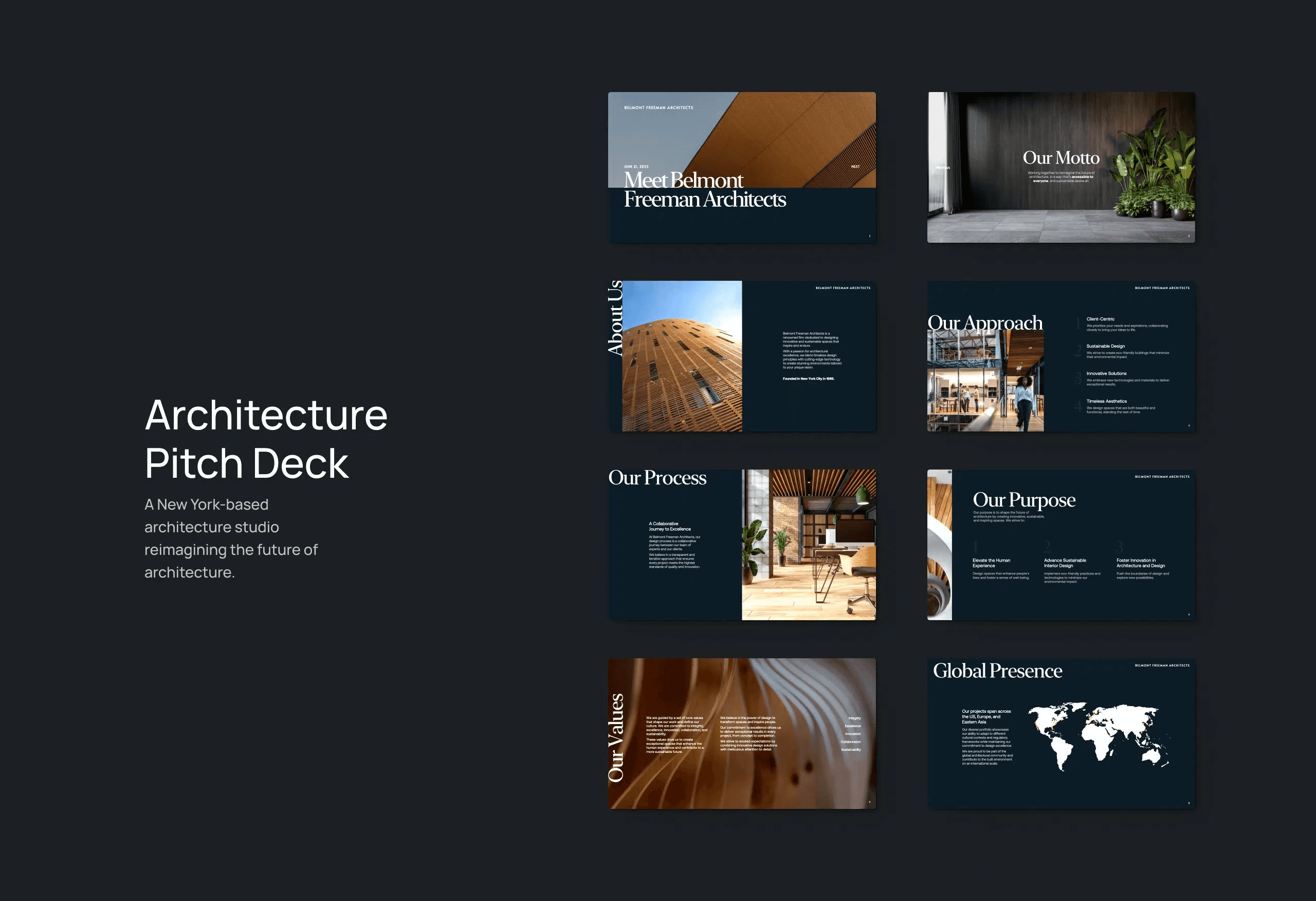
Source: https://zamora.design/work/architecture-pitch-deck/
What AI changes: A fully AI-generated film of the proposed building — exterior, interior, approach, context — that gives the client a genuine spatial and emotional experience of something that exists only in drawings. With light, atmosphere, and a sense of the human experience of the space.
For interior designers, the same applies directly. A proposed interior can be visualised as a film before a single piece is purchased or a wall is painted. The client sees it. Feels it. Approves it with confidence.
The move: Integrate AI visual production into the pitch and approval process — not just marketing. The firms winning the most significant projects in the next five years will be the ones that can show the finished experience, not just describe it.
InHouse Digital works with brands in real estate, tech, and capital-heavy industries to close the gap between what they build and how they communicate it. If this is a problem you are sitting with — let's talk.
Sources:
grandviewresearch.com (AI production cost projections)
mckinsey.com (Content workflow disruption, Jan 2026)